
In today’s competitive business environment, organizations are increasingly investing in coaching programs to enhance employee performance, satisfaction, and retention. Understanding the Return on Investment (ROI) of coaching is crucial for businesses aiming to maximize the benefits of such initiatives.
The Significance of Coaching ROI
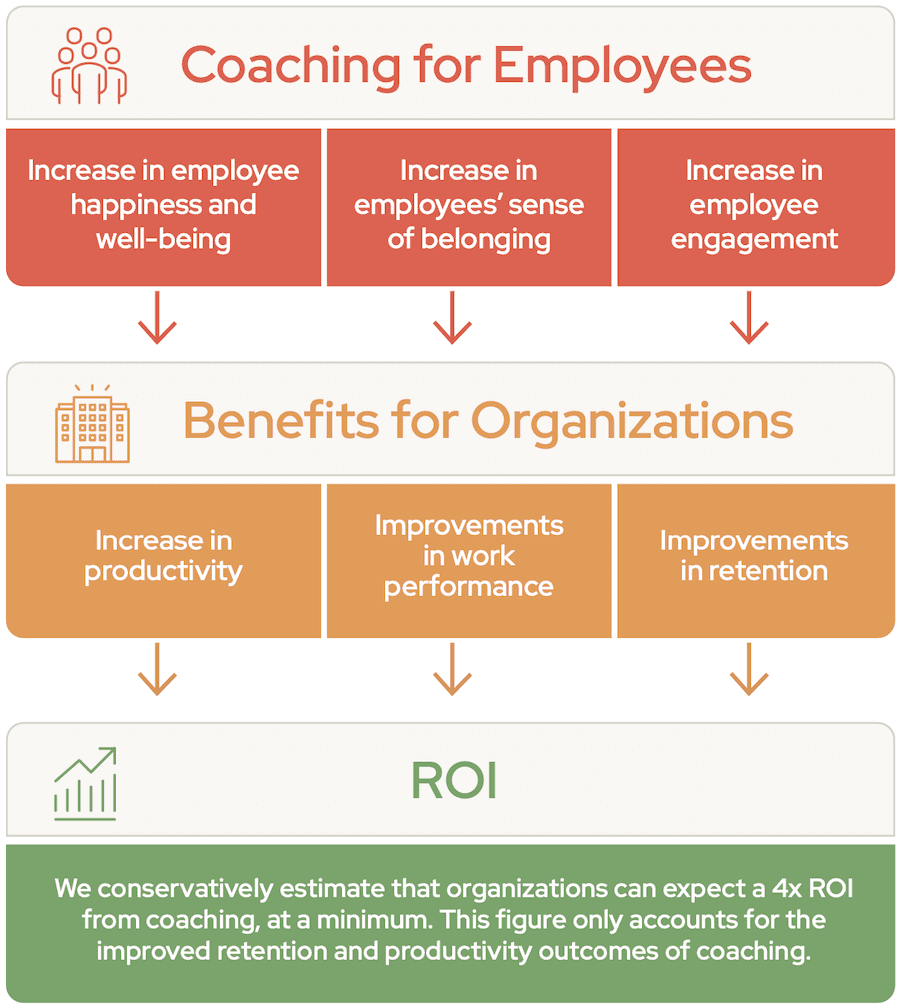
Coaching ROI refers to the measurable benefits gained from coaching programs relative to their costs. These benefits often manifest as increased productivity, improved employee engagement, and reduced turnover rates. Quantifying these outcomes helps organizations justify coaching investments and align them with strategic goals.
Quantifiable Benefits of Coaching
- Enhanced Productivity: A MetrixGlobal study revealed that executive coaching yielded a 788% ROI, primarily due to productivity gains and employee retention improvements .Velocity Advisory Group+1American University
- Revenue Growth: Organizations with robust coaching cultures reported a 51% increase in revenue, highlighting coaching’s impact on financial performance .Training
- Employee Engagement: Companies offering coaching programs observed significant improvements in employee engagement, leading to better performance and job satisfaction .
Measuring Coaching ROI
To effectively assess coaching return on investment, consider the following steps:
- Define Clear Objectives: Establish specific goals for the coaching program, such as improving leadership skills or reducing turnover.
- Collect Baseline Data: Gather initial metrics related to the defined objectives to serve as a comparison point.
- Monitor Progress: Track changes in performance indicators throughout the coaching program.
- Calculate ROI: Use the formula: ROI (%) = [(Net Benefits from Coaching – Coaching Costs) / Coaching Costs] x 100
For instance, if a coaching program leads to a $100,000 increase in productivity and costs $20,000, the ROI would be 400%.
Beyond Financial Metrics
While financial returns are essential, coaching also offers qualitative benefits:
- Improved Leadership: Coaching enhances decision-making and strategic thinking among leaders.
- Cultural Transformation: It fosters a culture of continuous learning and adaptability.
- Employee Well-being: Coaching supports mental health and work-life balance, contributing to overall well-being.
Implementing Effective Coaching Programs
To maximize ROI:
- Select Qualified Coaches: Ensure coaches have the necessary credentials and experience.
- Tailor Programs: Customize coaching to address specific organizational needs and individual goals.
- Encourage Participation: Promote a supportive environment that values personal development.BetterUp
- Evaluate Outcomes: Regularly assess the program’s effectiveness and make necessary adjustments.
Conclusion
Investing in coaching programs can yield substantial returns, both financially and in terms of employee development. By systematically measuring ROI, organizations can make informed decisions that drive growth and enhance workplace culture.
For organizations seeking to implement effective coaching strategies, Coaching Engage+ offers a comprehensive platform connecting businesses with certified coaches across various specialties. By leveraging such platforms, companies can provide personalized development opportunities, enhancing employee satisfaction and retention.